

Application Scenarios of Pipelines
Speech Model Application Scenarios
Speech models include two major types: Automatic Speech Recognition (ASR) and Text-to-Speech (TTS), providing powerful capabilities for understanding and generating audio content.
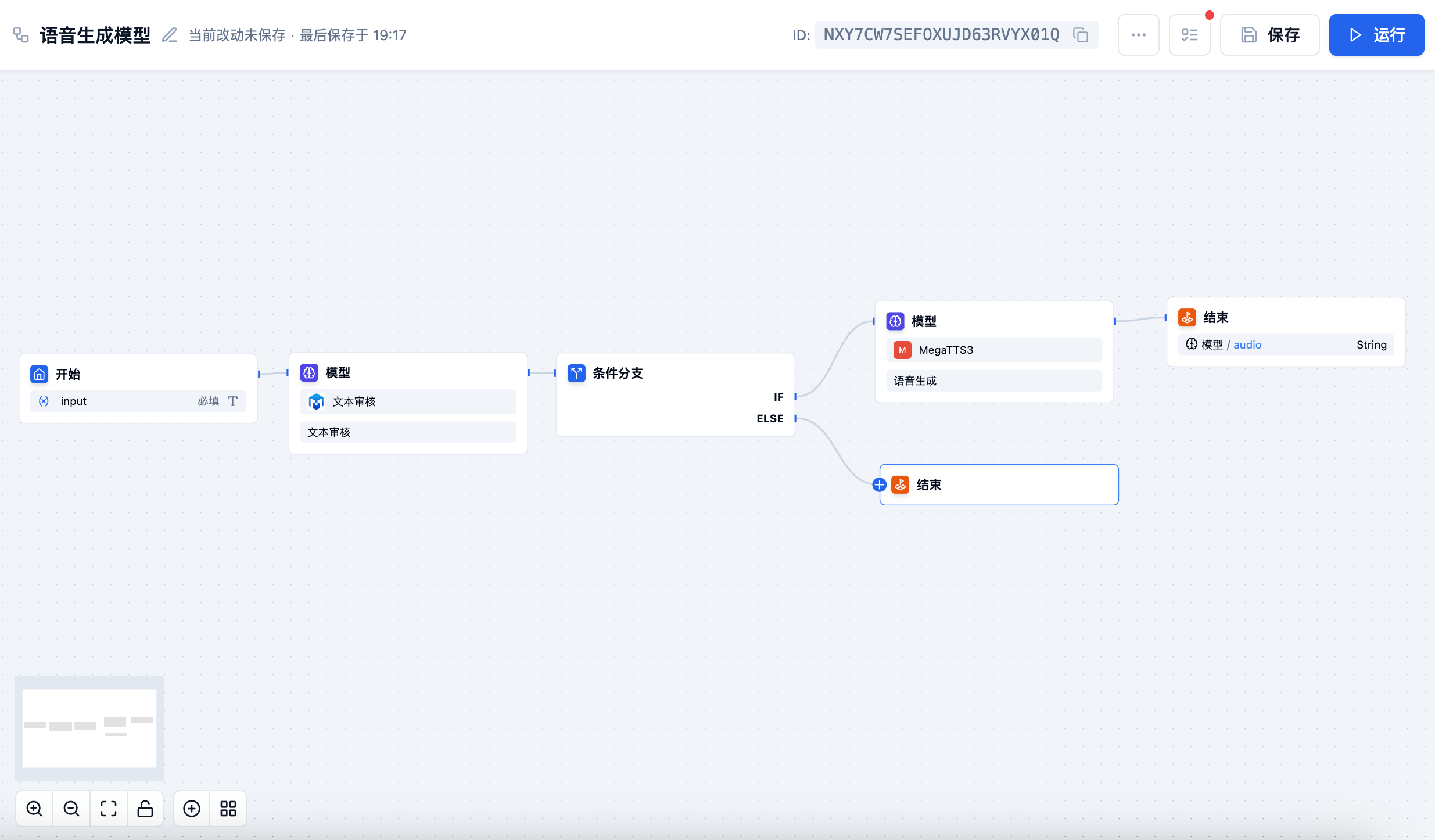
Automatic Speech Recognition Models
Automatic Speech Recognition models can convert speech to text, supporting multiple languages and dialects, and are widely used in various scenarios requiring speech understanding.
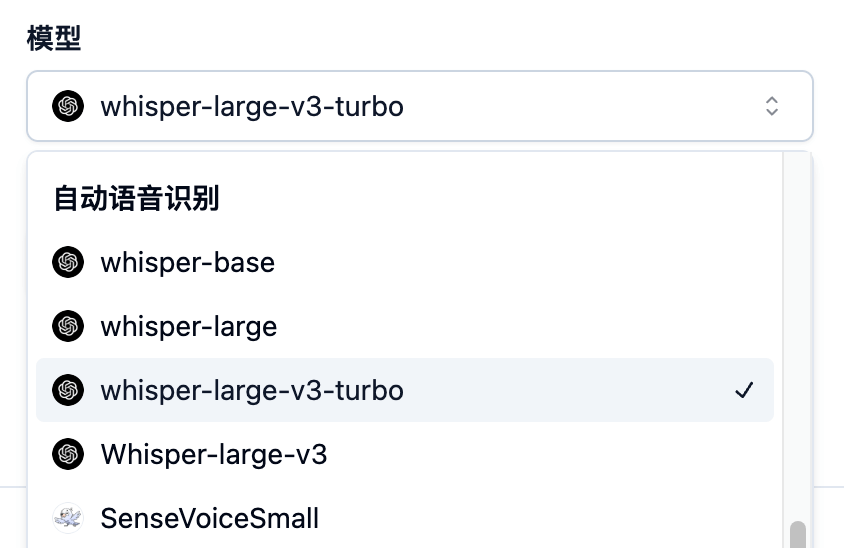
Main Application Scenarios
Real-time Meeting Transcription
In remote collaboration scenarios, real-time transcription of cross-language online meeting content, generating timestamped conversation records with support for keyword retrieval and key point marking.
Typical Use Cases:
- Automatic remote meeting recording
- Synchronous translation for multilingual meetings
- Automatic meeting minutes generation
Video Content Subtitling
In media production scenarios, automatically generating multilingual subtitles for short videos/feature documentaries, synchronously outputting subtitle files (SRT/VTT).
Typical Use Cases:
- Automatic video subtitle generation
- Multilingual subtitle production
- Media content localization
Speech Synthesis Models
Speech Synthesis models can convert text into natural and fluent speech, supporting multiple timbres and emotional expressions.
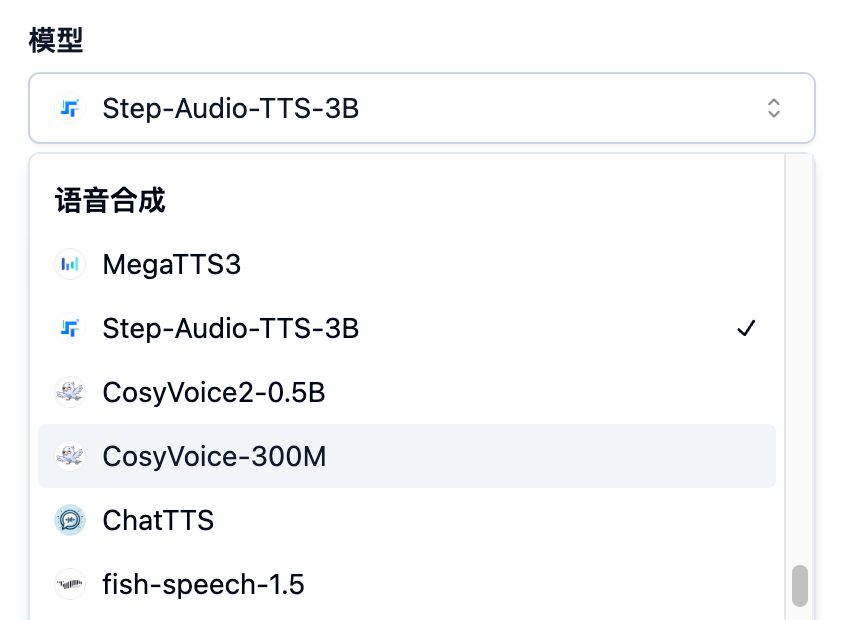
Main Application Scenarios
Multi-character Audio Content Creation
Generate旁白 voices for different genders/ages, batch outputting dubbed segments with emotional changes.
Typical Use Cases:
- Audiobook production
- Advertising voiceover generation
- Podcast production
- Role-playing audio
Long Text Speech Broadcasting
Convert novel chapters into natural and fluent reading audio, automatically inserting breathing pauses/emphasis stress.
Typical Use Cases:
- Long novel reading
- News broadcast generation
- Study material reading
Image Generation Model Application Scenarios
Image generation models can generate high-quality image content based on text descriptions or other images, supporting various creation and editing scenarios, and providing strong support for visual content creation.
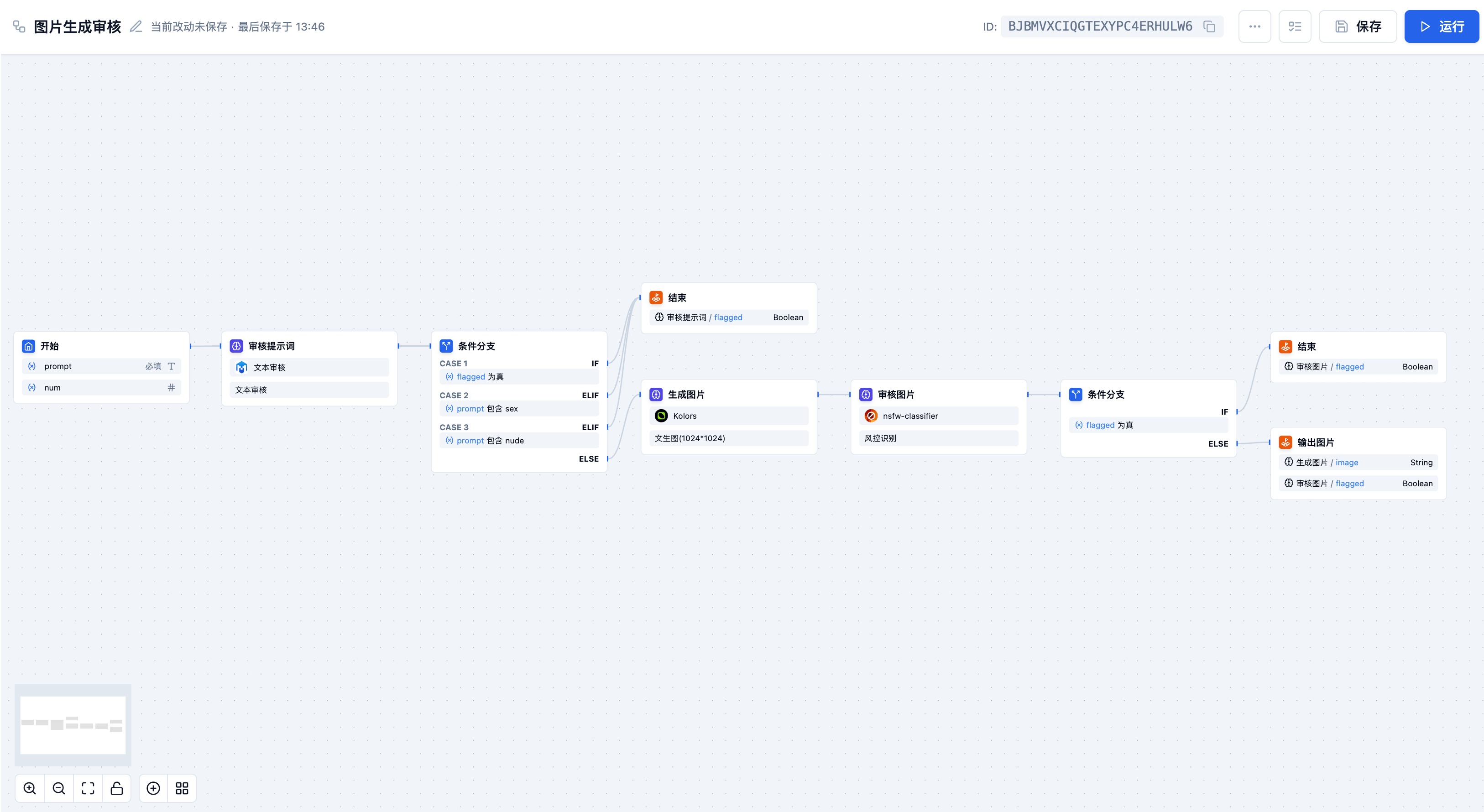
Main Application Scenarios
Product Visual Design
Generate high-quality product posters, scene images, or marketing materials based on product descriptions, supporting background replacement/style transfer to ensure the visual style conforms to the brand tone.
Typical Use Cases:
- Automatic e-commerce product poster generation
- Batch production of product scene images
- Personalized customization of marketing materials
- Unified brand visual style
- Product packaging design assistance
Creative Content Generation
Batch generate original illustrations, cover images, or concept art based on text instructions (such as "cyberpunk-style city night view") to enhance content appeal.
Typical Use Cases:
- Automatic article illustration generation
- Social media content creation
- Book cover design
- Concept art creation
- Advertising creative material production
Image Restoration and Enhancement
Perform super-resolution reconstruction, scratch repair, and color restoration on blurred, damaged, or low-resolution images such as old photos to improve the usability of historical materials.
Typical Use Cases:
- Old photo restoration and renovation
- Image denoising processing
- Color enhancement and correction
- Historical document image restoration
Custom Style Transfer
In game/film art scenarios, automatically convert concept art into specified artistic styles (such as ink painting style, pixel style, 3D rendering), or unify the style of multiple materials.
Typical Use Cases:
- Unified style for game art resources
- Stylization of film concept art
- Artwork style conversion
- Brand visual consistency assurance
- Creative style exploration
Personalized Customization
Generate personalized avatars, wallpapers, decorative patterns, and other exclusive content according to user preferences and needs.
Typical Use Cases:
- Personal avatar custom generation
- Mobile phone wallpaper personalization
- Home decoration pattern design
- Personal brand visual creation
Risk Control Recognition Model Application Scenarios
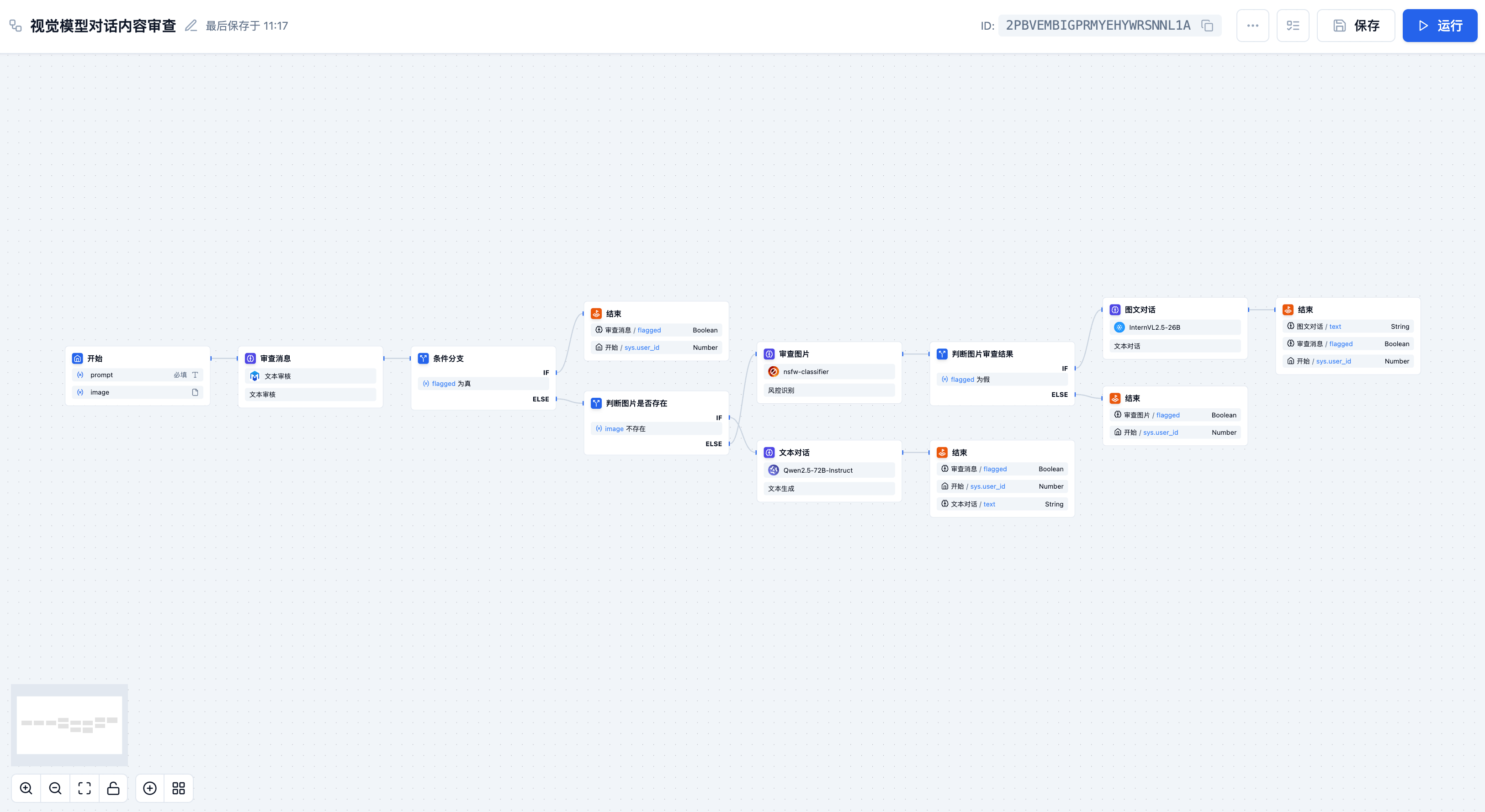
Risk control recognition models are specifically used for content security review, capable of automatically identifying and filtering inappropriate content to ensure the safe and compliant operation of platforms and businesses.
Main Application Scenarios
Text Content Review
Real-time detection of user-published text/images (such as comment sections, dynamics), intercepting violating content such as pornography, violence, and abusive information.
Detection Types:
- Pornographic and vulgar content identification
- Violent and bloody content detection
- Malicious attack speech filtering
- Spam advertising information interception
- Sensitive political content identification
File Upload Risk Control
Scan sensitive content in user-uploaded documents/images to prevent the spread of dangerous content such as political symbols and prohibited images.
Typical Use Cases:
- Document content security scanning
- Image violating content detection
- Pornographic violating image identification
- Political violating image identification
Text Generation Model Application Scenarios
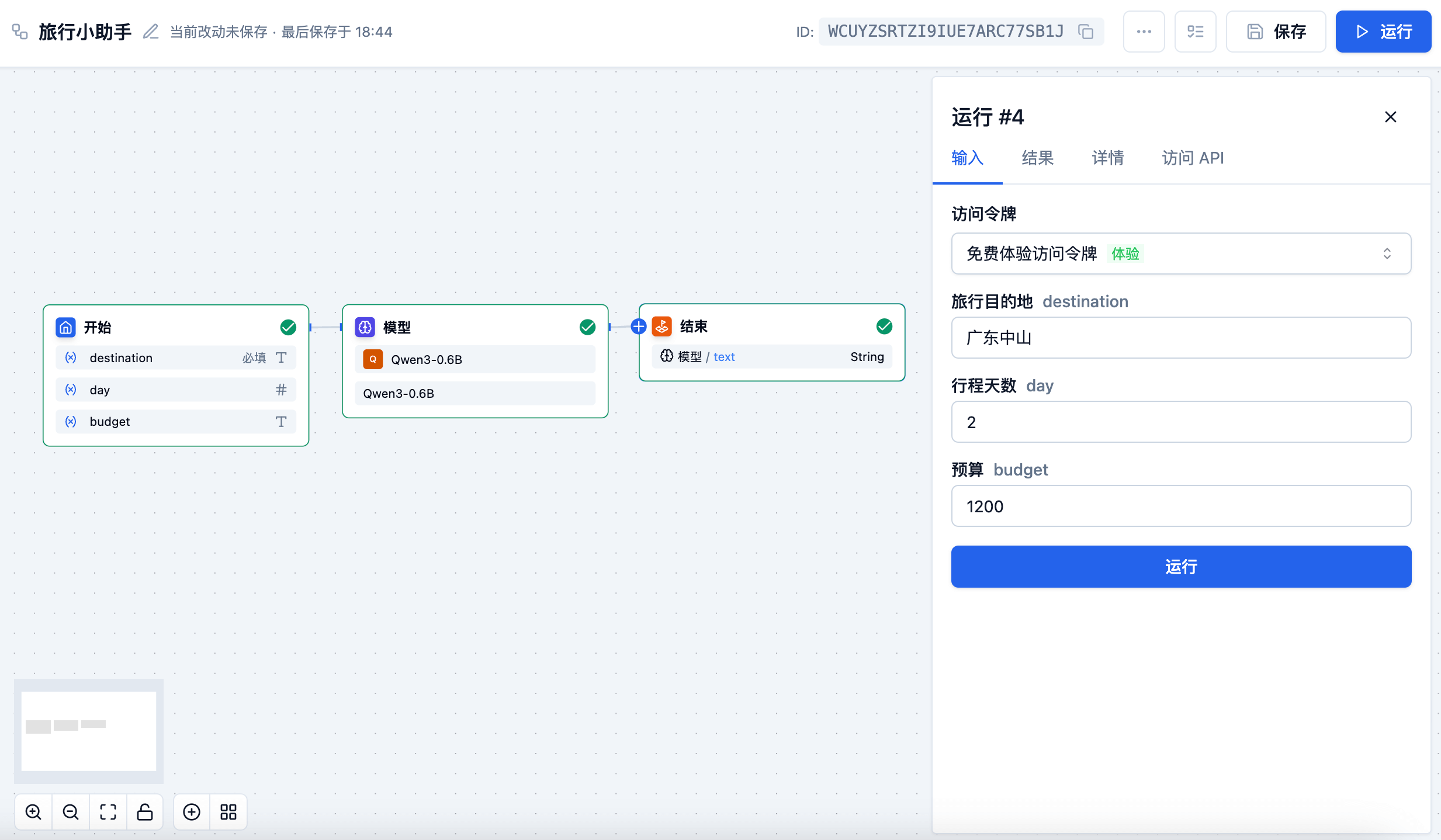
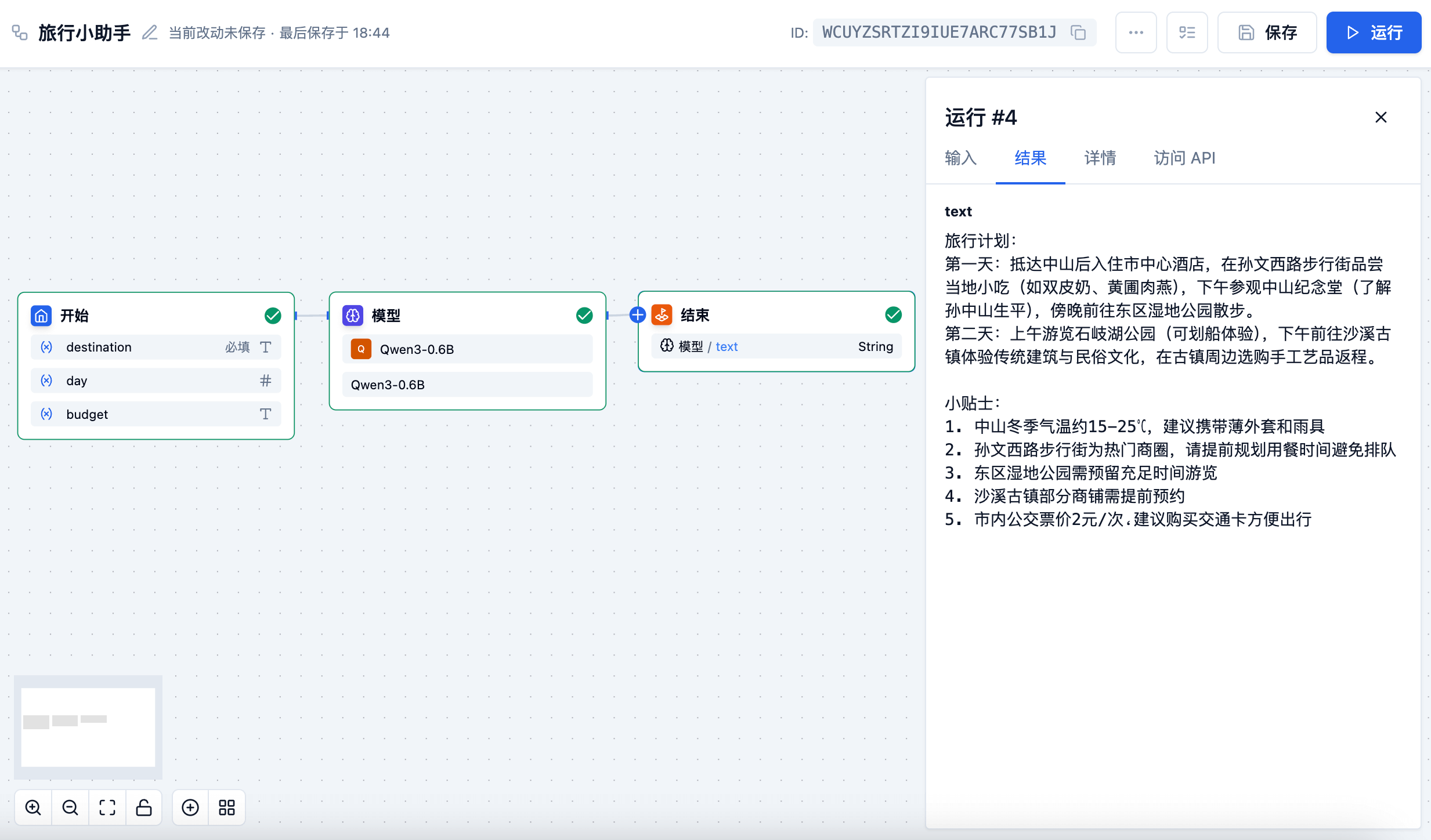
Text generation model (LLM) nodes can utilize the dialogue/generation/classification/processing capabilities of large language models to handle a wide range of task types based on given prompts, and can be used in different links of the API pipeline. It includes various mainstream models such as DeepSeek, Qwen series, etc.
Main Application Scenarios
Intent Recognition
In customer service dialogue scenarios, perform intent recognition and classification on user questions, directing them to different downstream processes.
Typical Use Cases:
- Customer service robots automatically classify user questions (technical support, refund applications, product consultation)
- Intelligently route user requests to corresponding professional customer service teams
- Real-time analysis of user emotions to adjust dialogue strategies
Text Generation
In article generation scenarios, act as a content generation node to generate text content according to themes and keywords.
Typical Use Cases:
- Automatic marketing copy generation
- Batch creation of product manuals
- Personalized email content generation
- Social media content creation
Content Classification
In email batch processing scenarios, automatically classify email types such as consultation/complaint/spam.
Typical Use Cases:
- Automatic email sorting system
- Content review classification
- Automatic document archiving
- User feedback classification analysis
Text Conversion
In text translation scenarios, translate user-provided text content into specified languages.
Typical Use Cases:
- Multilingual content localization
- Real-time chat translation
- Document translation batch processing
- Cross-language information retrieval
Code Generation
In auxiliary programming scenarios, generate specified business code and write test cases according to user requirements.
Typical Use Cases:
- Automated test case generation
- API documentation generation
- Code refactoring suggestions
- Programming teaching assistance
Configuration Points
- Model Selection: Choose an appropriate model scale according to task complexity
- Prompt Optimization: Design professional prompt templates for specific scenarios
- Parameter Adjustment: Adjust parameters such as temperature and max_tokens according to output requirements
- Variable Settings: Reasonably set input and output variables to facilitate data transfer between upstream and downstream nodes
Vision Model Application Scenarios
Vision models can understand and analyze image content, providing intelligent image recognition, understanding, and analysis capabilities, and are widely used in various scenarios requiring visual understanding.
Main Application Scenarios
Image Content Understanding and Q&A
In intelligent customer service scenarios, analyze user-uploaded product fault images, operation interface screenshots, or physical photos, accurately identify content, and answer related questions.
Typical Use Cases:
- Automatic diagnosis of product fault images
- Operation interface problem identification
- Product appearance quality inspection
- Visual analysis of user questions
Image-Text Information Extraction and Processing
In document automation processing, parse scanned documents, bills, contracts, or images with text information, extract key fields, identify table data, or perform text translation.
Typical Use Cases:
- Automatic invoice information extraction
- Contract key clause identification
- Table data structuring
- Multilingual document translation
- ID card information recognition
Industrial Vision Inspection
In automated production line quality inspection, real-time analysis of high-definition images of products/components to detect scratches, cracks, assembly errors, dimensional deviations, foreign objects, or printing defects.
Typical Use Cases:
- Product surface defect detection
- Assembly integrity verification
- Automatic size specification measurement
- Printing quality control
- Foreign object detection and sorting
Education/Training Assistance
In intelligent education platforms, identify textbook illustrations, experiment images, handwritten problem-solving steps, or student paintings, and provide explanations, corrections, answers, or generate related learning questions.
Typical Use Cases:
- Automatic correction of handwritten homework
- Experimental result image analysis
- Textbook content understanding assistance
 京公网安备11011502039387号